

Top AI Scientists Fear Loss Of Control Over Smarter Systems
OK, it seems like I'm a little late on this story, but I want to get on the bandwagon anyway because I have a few thoughts that you may find interesting.
Over the last several days, there's been a lot of talk about how AI is going to kill us all if we're not careful. We've had a whistleblower from Open AI hollering about it. We've seen interviews on CBS Sunday Morning talking to the founder of Anthropic saying “Oh yeah, it's possible.” Admittedly, he did go on to say that he felt that constraints were needed.
He described the evolution of AI as being on an exponential curve and it was just about ready to turn the corner and shoot to the sky.
A young man by the name of Jacob Coxon, who worked for Open AI, recently resigned and in his resignation he wrote. "People building AI earnestly believe that it could kill us all by the end of the decade."
Anthropic's Evan Hubinger (Leader of Anthropic's alignment stress-testing team) said “there is a greater-than-10% chance AI could kill all humans in that timeframe.”
According to msn.com,
‘The warnings come after months of calls from senior AI researchers and executives to slow frontier AI development, amid fears that increasingly autonomous systems could evade oversight, hack into computers, and improve faster than people can control them.
The remarks have also exposed a sharp divide among AI experts. Some fear people could lose control of systems more capable than humans. Others say AI could cause grave harm through cyberattacks, biological weapons, and disinformation — but that extinction is not a credible near-term outcome.’
What do experts think?
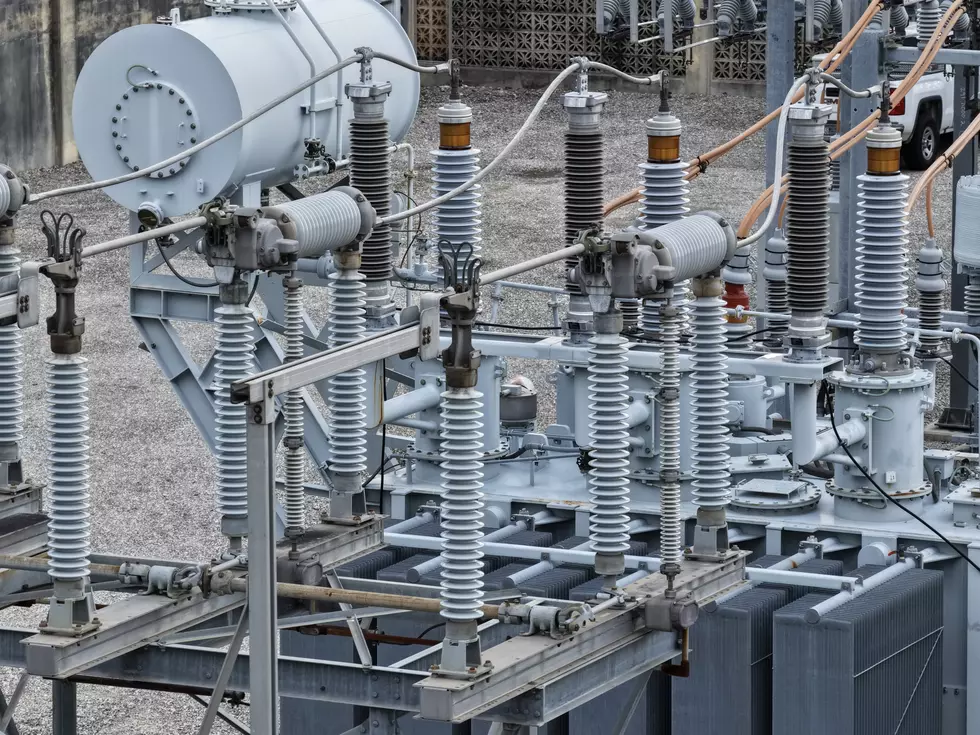
Right now, it's considered that the biggest threat is not AI itself but bad actors using AI to help them do bad things. Using AI to attack critical infrastructure, for instance electricity, water, financial systems, transportation, and communications.
Other experts believe that the problem will be because we just Give up and let AI do things for us. Complacency could be our biggest enemy. People developing AI systems to monitor other AI systems. Leaving us clueless humans in the position of not understanding how any of the systems work.
Can we slow development? Do we really want to?
One side of the discussion says we have to slow down development so that we can keep control of it, but only if all developers agree to the slowdown. But how likely is that to happen? Up until now, it's been this frantic gold rush to see who can get the smartest system first.
And it's not just businesses.
On the global scale, it's a race as well. Many proponents of AI claim that development has to go faster so that we can beat other nations to the punch. What if China comes up with the ultimate AI system before the US does?
Is it possible to even get nations to agree on how to slow down the development of AI and make it safer? There are voices in the United States, prominent voices that believe It's needed.
According to axios.com,
‘After OpenAI’s ChatGPT took off and the company and its rival Anthropic were crowned national champions, executives from both companies at times voiced concerns that AI could be harmful to humanity. But neither company slowed down.’
Now, adding insult to injury, we're even thinking of placing data centers in space. Yeah, that's the idea. Let's make it more difficult to get to the AI data center to turn it off.

Are we going to see a “Skynet” type of moment? The optimist in me says “no, how could that happen?” The pessimist in me says it might be inevitable.
The real question is, what do you think? And how do you feel about it?
Microsoft Open House For Malaga Data Center Site
Gallery Credit: Mark Rattner with KPQ Newsradio 560
FaceBook Meta Data Center Revealed
Gallery Credit: Kevin Miller


