
Beware The Mystery Packages Showing Up At Your Door in WA.
Another day, another scam. Seriously, it seems like you can't turn around now without finding another scam that is popping up here in Washington and around the country for that matter. The latest is what's called a brushing scam.
According to msn.com,
‘Brushing scams involve unsolicited deliveries from third-party online sellers looking to boost their product ratings and visibility. These sellers send cheap, low-value items to real names and addresses, then leave fake “verified” reviews, often posing as the recipient.’
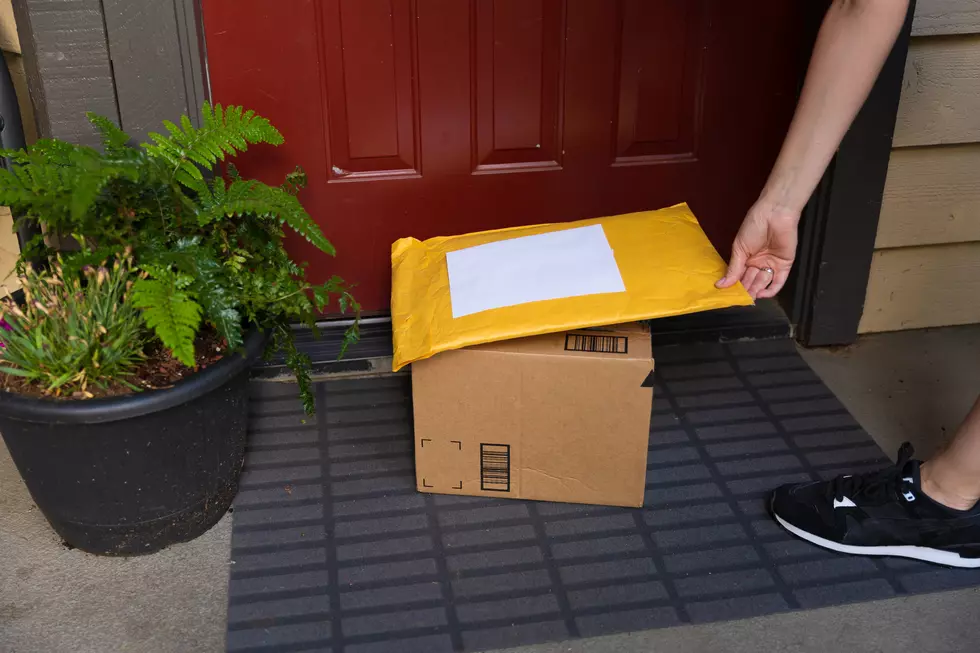
So, do you need to be concerned?
The simple answer is yes. If you receive an unsolicited package on your doorstep with your information on the package, well, somebody has that information, and possibly more than just your name and your address, they might have your phone number and even payment information.
All that information can be used for credit fraud, identity theft, phishing scams, or even attempts to bypass 2 factor authentication on sensitive websites.
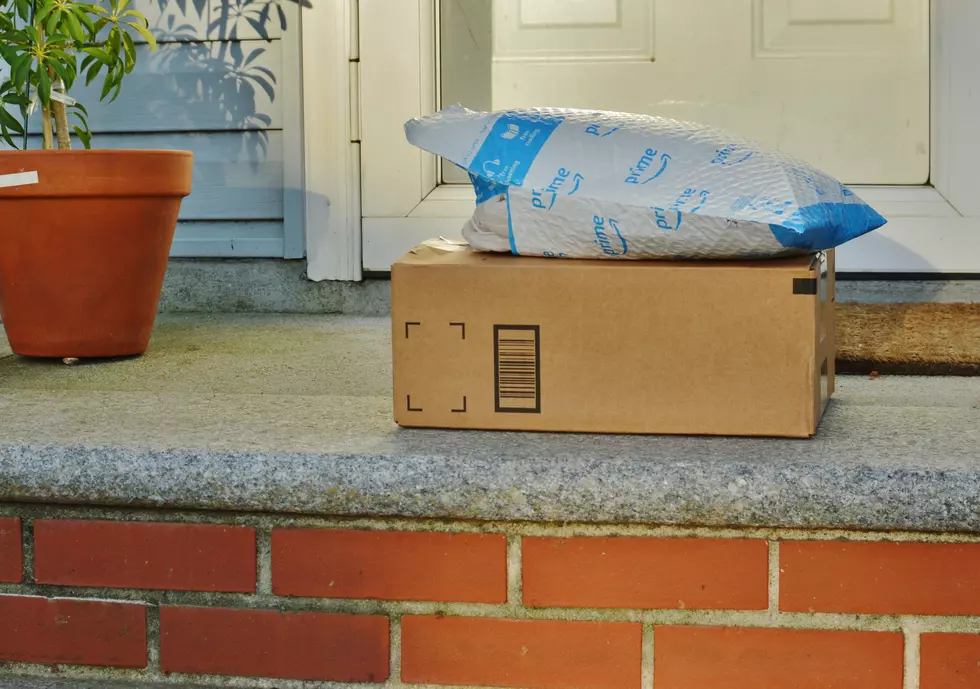
What do you do if you receive a mystery package on your doorstep?
- Our U.S. Postal Service says.
Report it: Go to USPIS.gov and file a report with the U.S. Postal Inspection Service. Reporting these scams helps federal investigators trace the origin and stop future incidents.
- Audit your accounts: Check your online shopping, banking and credit card accounts for any unusual charges. It’s also smart to request a free credit report from Equifax, Experian or TransUnion to spot any suspicious activity.
- Update your passwords: Even if you don’t see fraud, it’s a good idea to change your passwords, especially for your email, Amazon, bank and any accounts where financial or personal data is stored.

- Use a password manager: Password managers generate and store complex, unique passwords for every account, making it harder for hackers to break in if your data has already been exposed.
- Don’t engage: You are not obligated to return or review the item. In fact, doing so may validate your address to scammers and lead to more unwanted deliveries.
And the big one,
Don't scan any QR codes that might be on the package. Those codes open up your device and anything your device is connected to, to malicious software, giving the bad guys more personal information on you and on sensitive material that might be located on your devices.
The post office also says to watch out for counterfeit postage stamps. If you find U.S. stamps on sale somewhere for 40 to 50% off, they're probably counterfeit.
Remember if you have a strange delivery, if there are requests for personal information, maybe a fishy discount on something, think twice before you click.

Be wary. Protect yourself.
Don’t Fall for These 5 Dangerous Common Scams in Washington State
Gallery Credit: Rik Mikals
Expert Tips for Avoiding Online Shopping Scams
Gallery Credit: Maria Danise